Economic impact
The economic impact of cycling tourism
9 min read · Updated today
A mature segment with a high ticket and marked seasonality. Global hotspots and growth levers.
Updated · July 2026
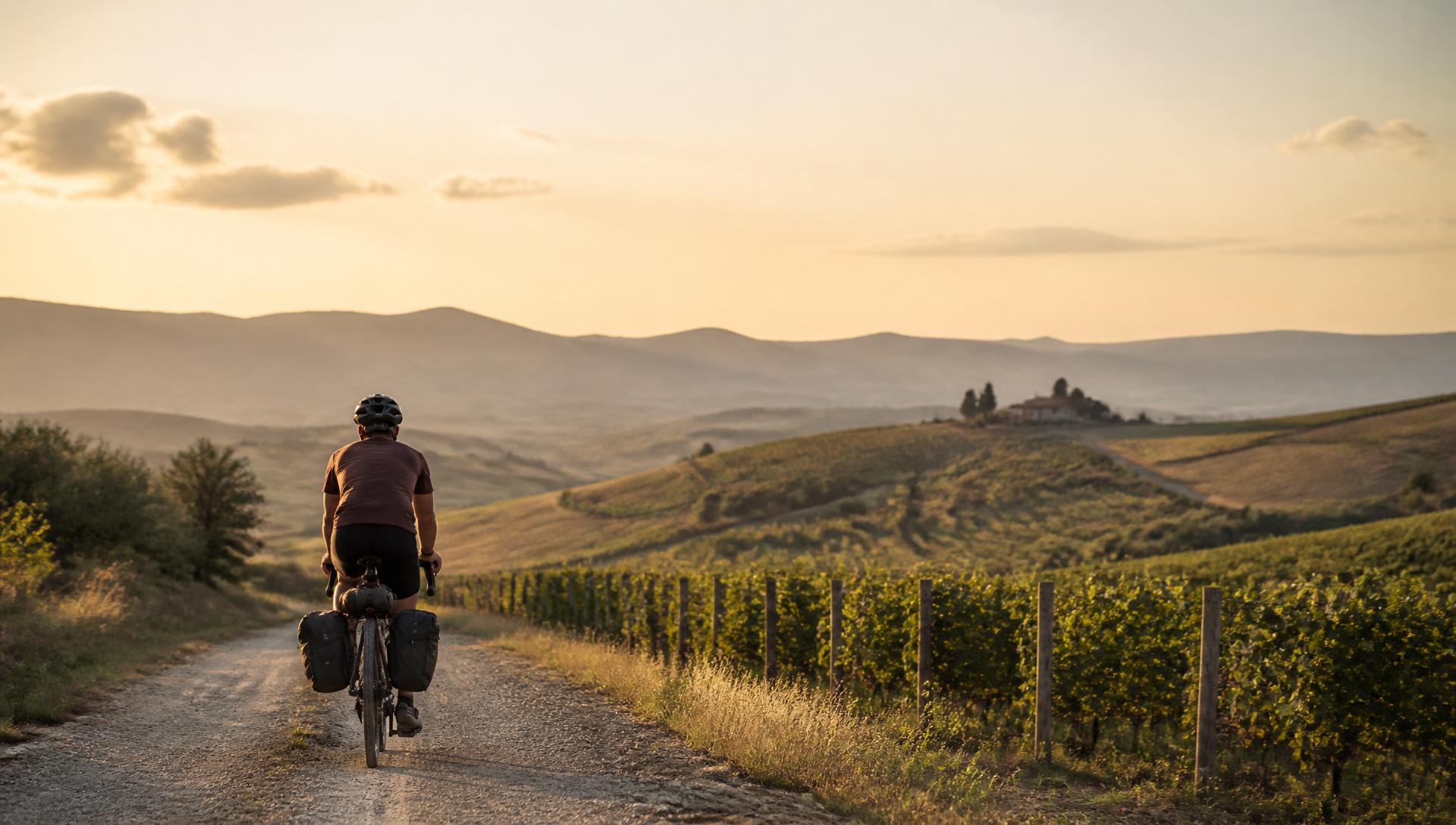
Self-guided and outfitter-led routes across wine country, alpine passes and coastal loops. Strong repeat rate and premium bike-friendly lodging demand.
01 · Traveler profile
Tour operatorsCycling tourists are high-intent active travelers who choose destinations around route quality, safety, terrain, scenery and the reliability of bike-specific logistics. They are often repeat visitors, but they will switch hotels or regions quickly if storage, laundry, food timing, rental quality or route information is weak.
02 · What they seek
Hotels03 · Activities
Tour operatorsMulti-day point-to-point riding with luggage transfer between hotels
Self-guided navigation using GPX files, Komoot, Ride with GPS or Garmin devices
Climbs of named passes or iconic segments, such as Sa Calobra in Mallorca or Alpine cols used by the Tour de France
Wine, farm and food stops built into daily stages, especially in Loire, Tuscany, Girona and Wachau itineraries
Bike fitting, rental pickup and mechanical checks on arrival day
Participation in gran fondos or cyclosportives such as Mallorca 312, L’Étape du Tour or Maratona dles Dolomites
Rest-day add-ons: spa recovery, swimming, museum visits, vineyard tastings or short city breaks
Post-ride social rituals: café stops, brewery visits, group dinners and jersey/route debriefs
04 · Destinations
DestinationsA benchmark road-cycling island with airport access, pro-team training history, coastal climbs, Sa Calobra, Cap de Formentor and a major gran fondo that anchors spring demand.
Dense mix of quiet roads, gravel, pro-cyclist residence culture, coastal rides, Pyrenean access and strong bike-shop infrastructure.
One of Europe’s most reliable self-guided touring corridors, with river navigation, luggage-transfer logistics, rail access and wine-country stops in Wachau.
Iconic cobbled climbs, the Tour of Flanders mythology, dense café culture and official cycling tourism infrastructure make it a high-repeat enthusiast destination.
Châteaux, wine villages, relatively gentle riding and established bike-friendly services make it especially strong for couples and mixed-ability groups.
A national network of scenic off-road and touring routes with strong appeal for long-haul adventure travelers seeking landscapes, lodges and point-to-point itineraries.
05 · Economics
HotelsAccommodation is usually the largest line item, followed by guiding or self-guided logistics, bike rental or transport, meals and wine/culinary spend, luggage transfers, event entries, local transfers, mechanical support and retail such as kit, nutrition and spares. Premium trips skew toward boutique lodging, van support, high-end road or e-bike rental, spa recovery and private guides.
Independent hotel-only stays often book 1-3 months out, but guided tours, premium bike-friendly rooms, event weeks and luggage-transfer itineraries commonly require 4-9 months of planning, especially in Mallorca, the Alps, Girona, Tuscany and the Danube corridor.
06 · Competition & opportunity
HotelsThis is a mature segment in Europe’s best-known cycling corridors, where established outfitters, local DMCs and bike hotels already compete on route quality, logistics and trust. The better opening is not generic 'cycling packages' but operational excellence in underserved nodes: secure storage, e-bike charging, luggage transfer, recovery services and route intelligence.
07 · Emerging signals
Tour operatorsGravel routes replacing some road-only itineraries
E-bike touring moving older and mixed-ability groups into longer routes
Train-plus-bike itineraries marketed as low-carbon holidays
Women-only and club-based cycling departures
Digital roadbooks with live rerouting and weather alerts
Recovery-led hotel upsells: massage, compression boots, sauna, nutrition and sleep quality
References · Sources & methodology
ADFC · 2024
Annual German bicycle travel survey; useful for source-market behavior, trip types and domestic/international cycling demand.
https://www.adfc.de/artikel/adfc-radreiseanalyse-2024
European Parliament Think Tank · 2012
EU-level reference on cycling tourism economics and route networks.
https://www.europarl.europa.eu/thinktank/en/document/IPOL-TRAN_ET(2012)474569
France Vélo Tourisme
Official French bike-friendly hospitality label used by hotels, campsites, attractions and tourist offices.
https://www.francevelotourisme.com/accueil-velo
EuroVelo
Official EuroVelo route page for one of Europe’s best-known long-distance cycling corridors.
https://en.eurovelo.com/ev6
Visit Flanders
Official destination page for one of Europe’s strongest cycling-tourism regions.
https://www.visitflanders.com/en/things-to-do/cycling
Tourism New Zealand
Official tourism source for New Zealand’s Great Rides network.
https://www.newzealand.com/us/feature/new-zealand-cycle-trails/
Union Cycliste Internationale
Official international federation page showing the sport’s participation and mass-riding framework beyond elite racing.
https://www.uci.org/cycling-for-all
Mallorca 312
Official event page for a major destination-driving gran fondo in Mallorca.
https://mallorca312.com/en/
Google Trends — Search demand & keyword data. Markets: —.
Curated by runners. Sections 01–06 and 08 are written and reviewed by practitioners of this behavior, cross-checked against the sources listed above.
Growth YoY, market size, avg ticket, trip length and opportunity score come from an internal curated dataset. See sources above for supporting references.
Figures are directional estimates for strategic planning, not audited market data.
Take part
We run short surveys with travelers and industry operators to validate and enrich the data behind this trend.
See open studiesAnalysis last updated · July 2026
In-depth analyses connected to this trend
Sport & endurance travel